
AI Awareness Day 2027 Humans in the Loop
The National AI Conversation
Students question and debate AI, from five minutes in class to judged debates between schools. For primary, secondary and post-16.
- Opens
- 1 January 2027
- AI Awareness Day
- Thursday 29 April 2027
Schools can register from 1 January 2027Check your AI readiness
How each age debates
Primary, secondary and post-16 students debate the same five themes, each with a question written for their age. These examples are from the Safe theme.
-
Primary
Mainly Years 5 and 6
The question
“Your AI helper can remember things about you. Should it remember everything, some things or nothing?”
How students take part
Pupils move to a corner of the room or vote with a show of hands, then tell a talk partner why.
-
Secondary
Years 7 to 11
The question
“An AI assistant remembers your conversations to give you more personal support. How much should it remember, and who should decide?”
How students take part
Small groups take talking roles, then test their view with a “What if…?” challenge card.
-
Post-16 and FE
Sixth form and college
The question
“This house believes users, not companies, should control what AI remembers about them.”
How students take part
A formal debate, with points of information offered during the opening speeches.
Debate educators will review the questions and timings before the conversation opens.
Three ways to take part
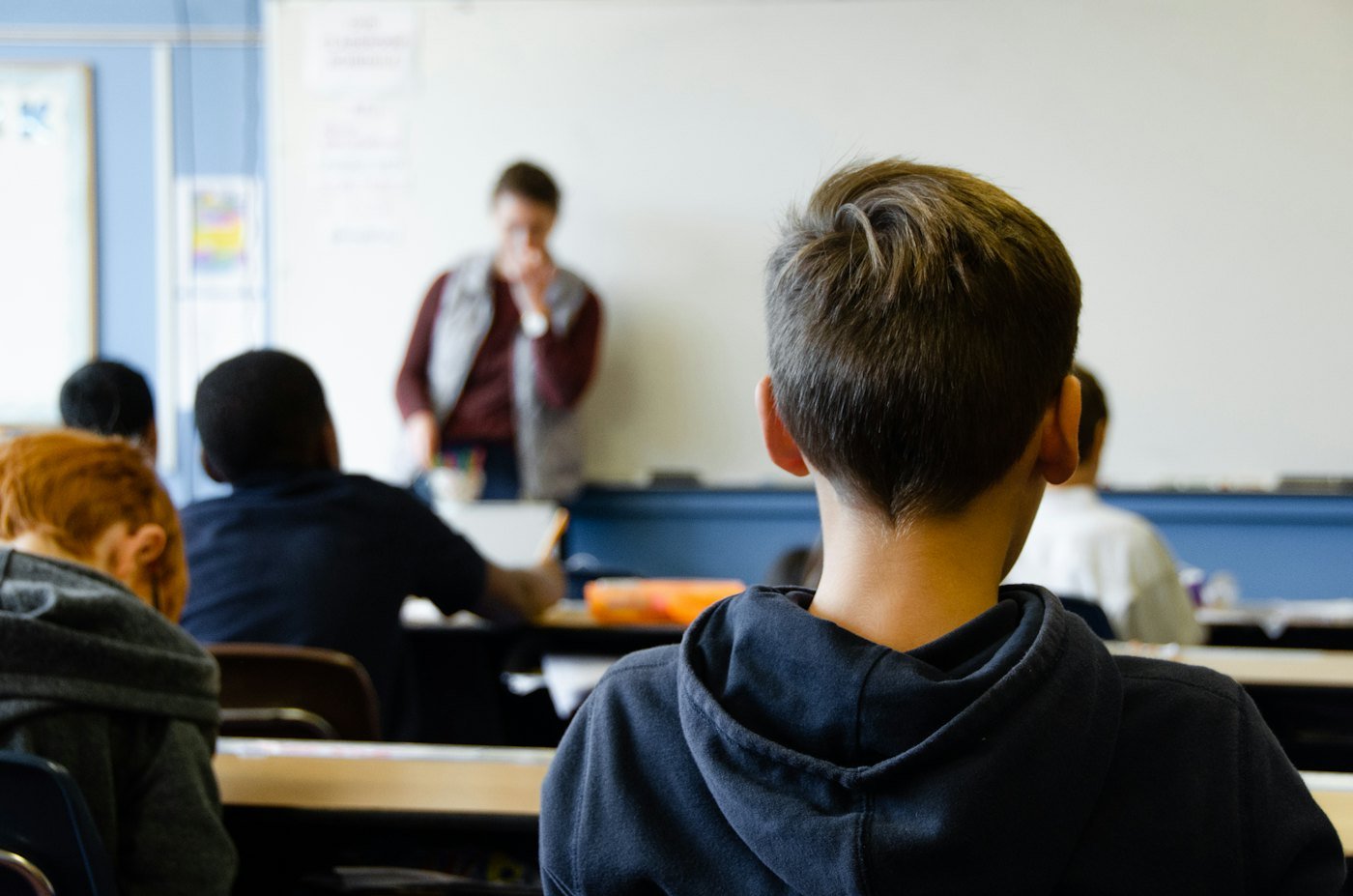
-
Classroom Conversation
Five-minute starters, questions and free resources to get a class talking about AI.
-
School Debate
Class against class, house against house or year against year. Build confidence inside your own school first.
-
National Debate Network
Debate another school, in person or online, with an independent judge.
All three work at primary, secondary and post-16.
The timeline
-
November and December 2026
A first group of schools tries the platform, and we make changes before the conversation opens.
-
1 January 2027
The National Conversation opens. Schools can start classroom conversations, the Student Voice survey and debates.
-
January to April 2027
Debates within and between schools. MATs and regions can run their own events.
-
Thursday 29 April 2027
AI Awareness Day: Humans in the Loop. We share the national findings and hold a flagship debate.
Inside a debate
About 30 minutes. Schools can adapt the timings to suit their students.
-
10 min
Setting the scene
A welcome, an opening vote from the room, and what the survey found.
-
20 min
The debate
Opening cases, rebuttals, questions from the floor, closing speeches and a final vote.
A role for everyone
The whole class takes part as speakers, note-takers, questioners or survey presenters. Each school’s prep pack has a checklist, the survey questions and the research.
Judged on four things
Argument Evidence Rebuttal Delivery
The judge scores both sides from 1 to 5 on each, at every age.
Several sources for every fact. Don’t rely on AI-generated content alone: it can be wrong.
Five themes to debate
Choose a theme and press Show resources to see free lessons and activities for it.
-
Safe
Privacy, security, trust, bias and AI memory.
-
Smart
Learning, critical thinking, checking facts and relying on AI.
-
Creative
Imagination, originality, authorship and ownership.
-
Responsible
Accountability, fairness, sustainability, consequences and permission to use people’s work.
-
Future
Jobs, skills, opportunities and young people’s say in decisions about AI.
How an inter-school debate works
It should feel like arranging a sports fixture, not joining another complicated platform.
Headteacher approval comes first
Before anything goes live, every school, including the one you invite, is approved by a headteacher or senior leader. It takes one click from one email, and the lead teacher can send it again.
-
Register your school
Name the headteacher or senior leader who will approve your school. Nobody gets a password.
-
Get a Debate ID
Every debate has its own reference, for example AID-7K42P, that both schools and the judge use.
-
Invite another school
Invite a school you know by email or link, or find one on Join the conversation.
-
Agree the fixture
Choose the date, theme, motion and judge, and whether it is online or in person.
-
Hold the debate
The judge scores on a phone, or on paper and then online. Their online entry is the official result.
-
Be recognised
Two completed debates against two different schools earn the National AI Debate School certificate.
If a step stalls, we send reminders. A debate with no action for 14 days expires, and you can invite another school.
Safeguarding: schools stay in charge
The platform connects schools. Each school remains responsible for its own safeguarding, supervision, travel, parental permissions, risk assessments and visitor arrangements.
When two schools are matched, both teachers are emailed a link to our Debate & Safeguarding Pack.
Every debate needs an independent judge. The teacher who sets up the debate names them: there is no open call. The host school’s visitor procedures apply.
Either school can report a problem: a cancellation, a conduct or safeguarding concern, or a wrong result. The result is held, both schools’ senior leaders are told and the report stays private. Schools resolve it under their own procedures.
In the news
Why now: speaking joins reading and writing
The government has announced that oracy, the skills of speaking, debating and listening, will sit alongside reading and writing in England’s curriculum. The National AI Conversation gives students a real question to practise those skills on.
What Does the New Government Announcement Mean for AI Awareness Day?
Speaking skills are set to sit alongside reading and writing in England’s curriculum. So what does the government’s announcement mean for AI Awareness Day 2027?
What we want to achieve
Young people forming their own judgements about the role AI should play in their lives.
-
Aims
- Build the skills to weigh evidence, argue a case and disagree respectfully.
- Connect schools with others beyond their own trust or region.
- Bring professionals and community leaders into debates as independent judges.
- Record what young people taking part think about AI, and report it.
-
Objectives for 2027
- Debates on all five themes at primary, secondary and post-16.
- Schools debating schools beyond their own trust or region.
- Student Voice results for each school once 10 of its students have answered.
- National findings on Thursday 29 April 2027, describing only the students who took part.
-
Ambitions beyond 2027
- Run every year, and track how young people’s views on AI change.
- Make young people’s views on AI heard by schools, employers and policymakers.
We count schools taking part, debates completed, students involved, themes explored and links across trusts and regions.
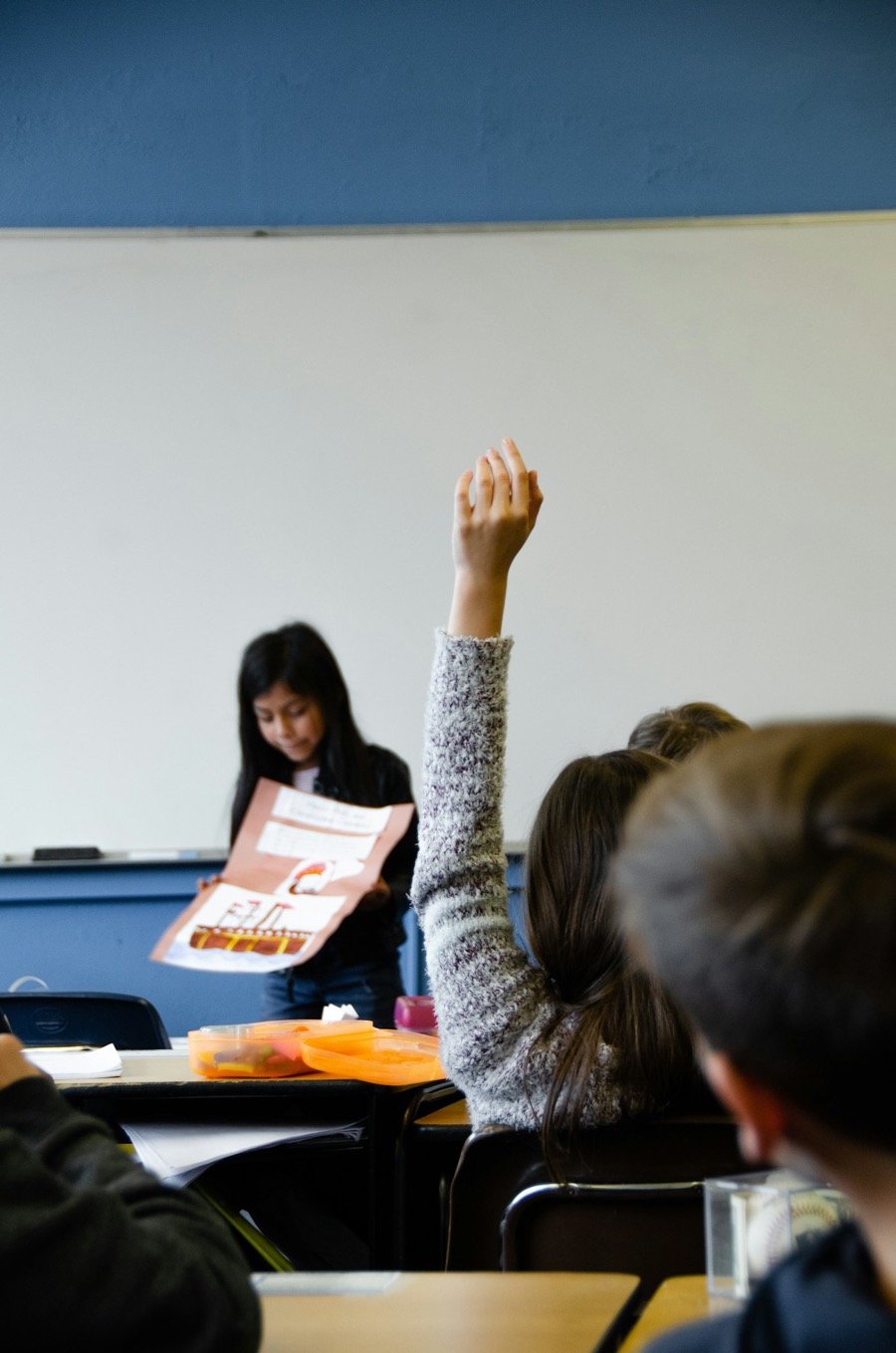
The skills students build
Every student’s journey
- Learn
- Think
- Discuss
- Rebut
- Reflect
- Oracy & Communication
- Speaking fluently and confidently about complex ideas, including to an audience.
- Critical Thinking
- Evaluating arguments logically and spotting cognitive biases.
- Information Literacy
- Examining evidence and verifying facts.
- Active Listening & Empathy
- Hearing other people out and understanding their point of view.
- Independent Judgement
- Forming views backed by reasons, not peer pressure.
- Civil Discourse
- Disagreeing respectfully and defusing tension by adapting tone and voice.
The technology connects the conversation. Young people do the thinking.
Recognising taking part, not only winning
Your school’s record shows the schools you meet, the students involved and the themes explored. MATs and regions can run their own competitions, but there is no national league table.
Results are public: both schools, the theme, motion, date and result. The judge’s name appears only if they agree. Teachers’ names and anything about students are never published. Every certificate carries a reference anyone can check.
For multi-academy trusts
Classroom School School to school MAT Region National
A multi-academy trust (MAT) can hold debates between its own academies before connecting with schools elsewhere. Each academy registers and is approved by its own headteacher. Ask the programme team for a report of your academies taking part.
For organisations that bring AI into schools
Students put your AI lessons, resources or programmes to work. They test their thinking against another school, in front of an audience and a judge.
-
Encourage your schools
Tell the schools you work with. Each registers itself and is approved by its own headteacher. You never sign a school up.
-
Be named, with permission
A school can name you when it registers. You are told only if its headteacher agrees. Or nominate a school you work with, and we send it one invitation.
-
Lend your expertise
Your people can judge a debate if a teacher at one of the schools invites them.
-
See the difference, not the data
If a headteacher agrees, we email you a dashboard link. It shows totals only: schools, debates, judges and students reached. Student Voice by age group appears once 10 students from three schools have answered.
Every update we email lets you stop the emails or say “this wasn’t us”.
Support the national debate
Partners can help with:
- Powering the platform that hosts the debates
- Keynote talks from technology companies at debates and events
- Guest speakers for schools serving disadvantaged communities
- Hosting debates and events for those schools
Partners support the programme, not individual schools. They never see details of schools, staff or students. Guest speakers follow each school’s own visitor procedures.
Questions schools ask
How much time does it take?
A classroom starter takes five minutes. A debate takes about 30 minutes, plus a short survey two to three weeks before.
Does anyone need an account or a password?
No. Students scan a QR code or type the school code, then type the class PIN, and give no name. Adults sign in with the school code, their own email address and a six-digit code we send them.
Can more than one teacher at our school take part?
Yes. Colleagues with the school’s email address join straight away, and the lead teacher approves anyone else. Every debate counts towards one school total and one certificate.
Can we debate online?
Yes. The host school uses its own video platform and adds the meeting link to the debate page. The safeguarding checklist reminds both schools that the host controls who joins and that nobody records the debate.
What does our school get?
Two debates against two different schools earn the National AI Debate School certificate. Once 10 of your students have answered the Student Voice survey, you also get a one-page School AI Snapshot of their views.
What happens to our details?
We delete the names and email addresses of teachers, headteachers and judges after the campaign ends on 31 August 2027, or sooner if you ask. A judge who agreed to be named stays named on their results. Student answers are anonymous. Results and totals stay.
Start the conversation in your school
Schools can register from 1 January 2027. Until then, see how ready your school is for AI.